Wednesday, November 19 | Post-Acute Care, Care Coordination


Honoring Care at Home Month: A Personal Reflection
By Ashley Hartwigsen, Director & GM, Executive Strategist, Care at Home
As we celebrate Care at Home Month, I find myself reflecting on the journey my family has taken in caring for my grandparents. It’s a story of love, resilience and the profound impact that home health and hospice care can have on families navigating the challenges of aging and illness.
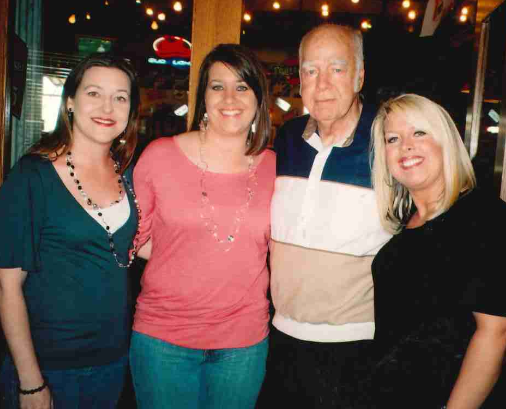
My grandpa lived with Parkinson’s disease, a condition that gradually reshaped his daily life. In the beginning, home health care allowed him to remain in the comfort of his own home where skilled professionals came alongside my mom, my aunt and our family to provide the support he needed. Those visits brought reassurance—not just to him, but to all of us who wanted to ensure he was cared for. As his diagnosis progressed, the need for more consistent support led to a transition into an assisted living facility. This move provided the structure and care he needed while still allowing him to maintain a sense of independence and community. Eventually, as his health declined further, hospice care became the next step. Hospice shifted the focus from treatment to comfort, ensuring his final days were filled with compassion, dignity and peace.
My grandma’s story is one of independence and the longing to remain in her home as she faced the difficult realities of cancer. When her illness progressed, she received hospice care in her home, surrounded by the familiar comforts of her own space while receiving the care provided by skilled professionals who focused on her peace and comfort. Yet, her time in hospice was short because she carried a misguided interpretation of hospice, believing that accepting it meant she had “given up” and was ready for death. This hesitation delayed her access to the full benefits and support hospice could have provided. It’s a misconception many families face, and one that underscores the importance of education and awareness about what hospice truly is and what it can truly provide for not only the patient but the families who care for them. Hospice is not about surrender—it is about living fully in the time that remains.
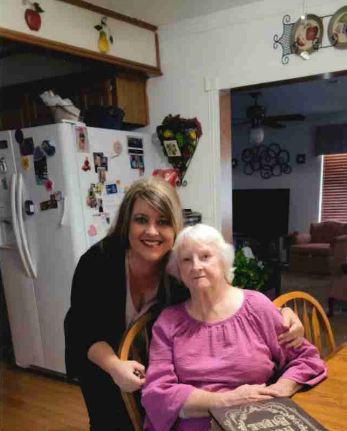
Through each stage—home health, assisted living and hospice—our family learned that care is not just about medical services. It’s about meeting people where they are in their journey, honoring their wishes and supporting the caregivers who walk alongside them.
My grandma’s story is a reminder that patients and families should feel empowered and educated to embrace hospice, so their loved ones can experience its full support. For my grandpa, this meant he always had the support he needed and was never alone. I was blessed to be there when he passed and to witness the reverence and beauty of the chaplain singing hymns as he gracefully passed away. That poignant moment gave me the gift of saying goodbye, while also allowing me to witness firsthand the profound devotion and unwavering dedication hospice providers extend to both their patients and the families they support.
Care at Home Month is a reminder that these services are more than healthcare—they are lifelines for families. The services provide comfort in uncertainty, guidance in difficult decisions and dignity and compassion in life’s final chapter. As I reflect, I am grateful for the caregivers who walked alongside us and supported us. Their work is not just medical—it is profoundly human. And during Care at Home Month, I honor them, my grandparents and all families navigating similar journeys.
Meet the Author

Ashley
Hartwigsen
· Director & GM, Executive Strategist, Care at Home
From the CareThreads Blog

The Metrics Driving Sustainable Senior Living Growth
Why growing census does not always produce healthier margins, and what leaders should measure instead
Tuesday, October 06 | Care Coordination,Post-Acute Care,Thought Leadership
Over the years, occupancy became a go-to statistic for senior living. It showed if your building was full, you were generally making more money, but the economics of senior living have changed.
Read the blog
Why Reducing Variability Matters in Wound Care
Tuesday, September 08 | Post-Acute Care,Care Coordination,Thought Leadership
When it comes to wound care, the challenge for many post-acute organizations isn't a lack of clinical experience. It's making sure everyone has the same understanding of the wound and that the information needed to make decisions is complete, consistent and accessible.
Read the blog
Two Rules, One Signal: What CMS is Signaling to Post-Acute Providers
Tuesday, August 18 | Post-Acute Care,Thought Leadership
The Centers for Medicare & Medicaid Services (CMS) finalized the FY 2027 hospice final rule on July 30 and released the CY 2027 home health proposed rule on July 1. Read separately, they look like ordinary annual updates. Read together, they say something more useful about the next three years.
Read the blog